Step by Step Guide to Buying your Home in Italy + Important Names to Know Along the Way!

How to Buy a House in Italy: Step-by-Step Guide
Buying a home in Italy is more than a real estate transaction - it’s a leap into la dolce vita. From Tuscan farmhouses to seaside villas in Puglia, Italy offers charm, history, and a pace of life that’s hard to resist. But before you start sipping espresso on your balcony, you’ll need to navigate the Italian property buying process.
Here’s your step-by-step guide.
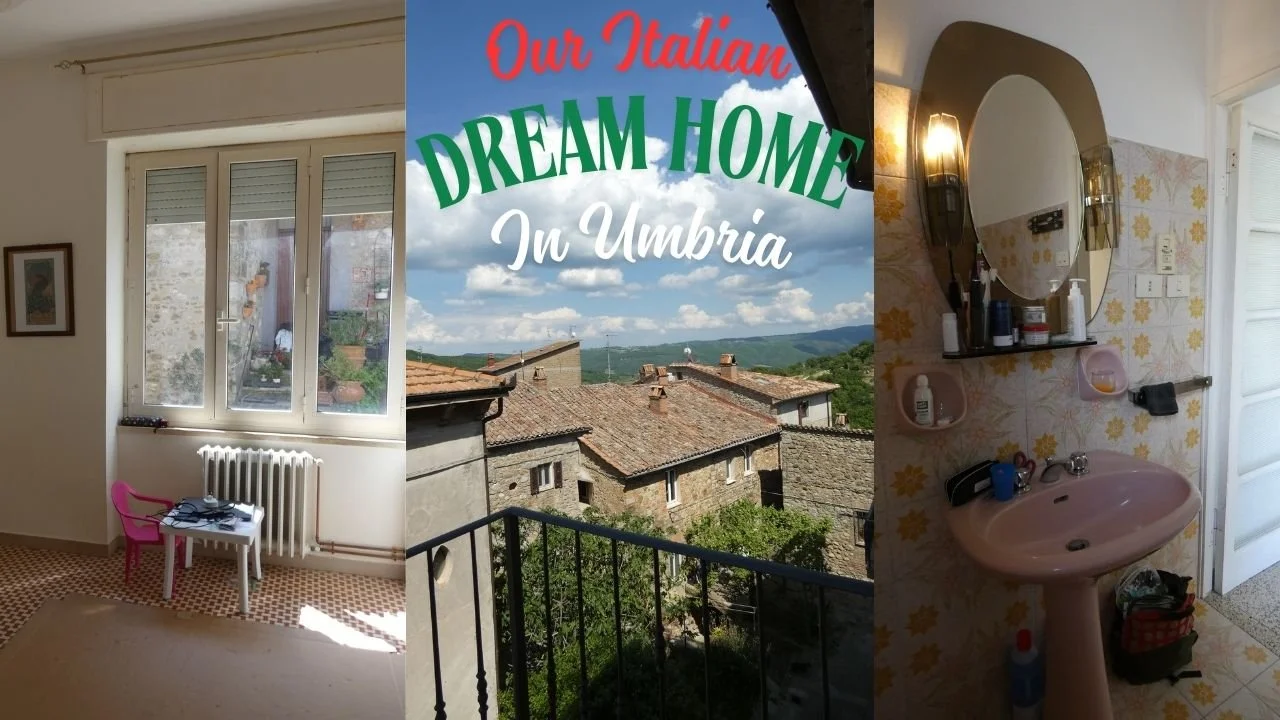
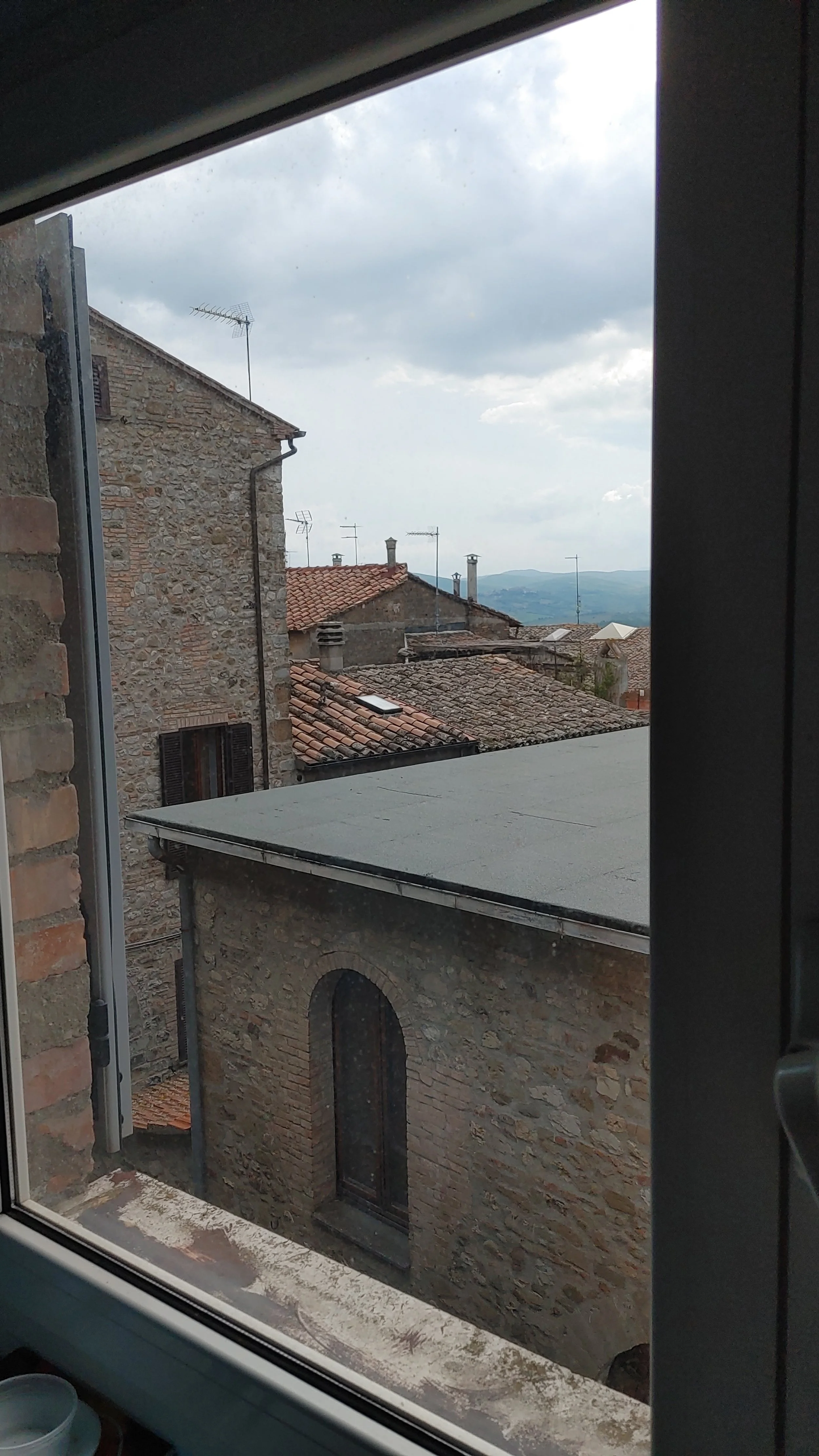
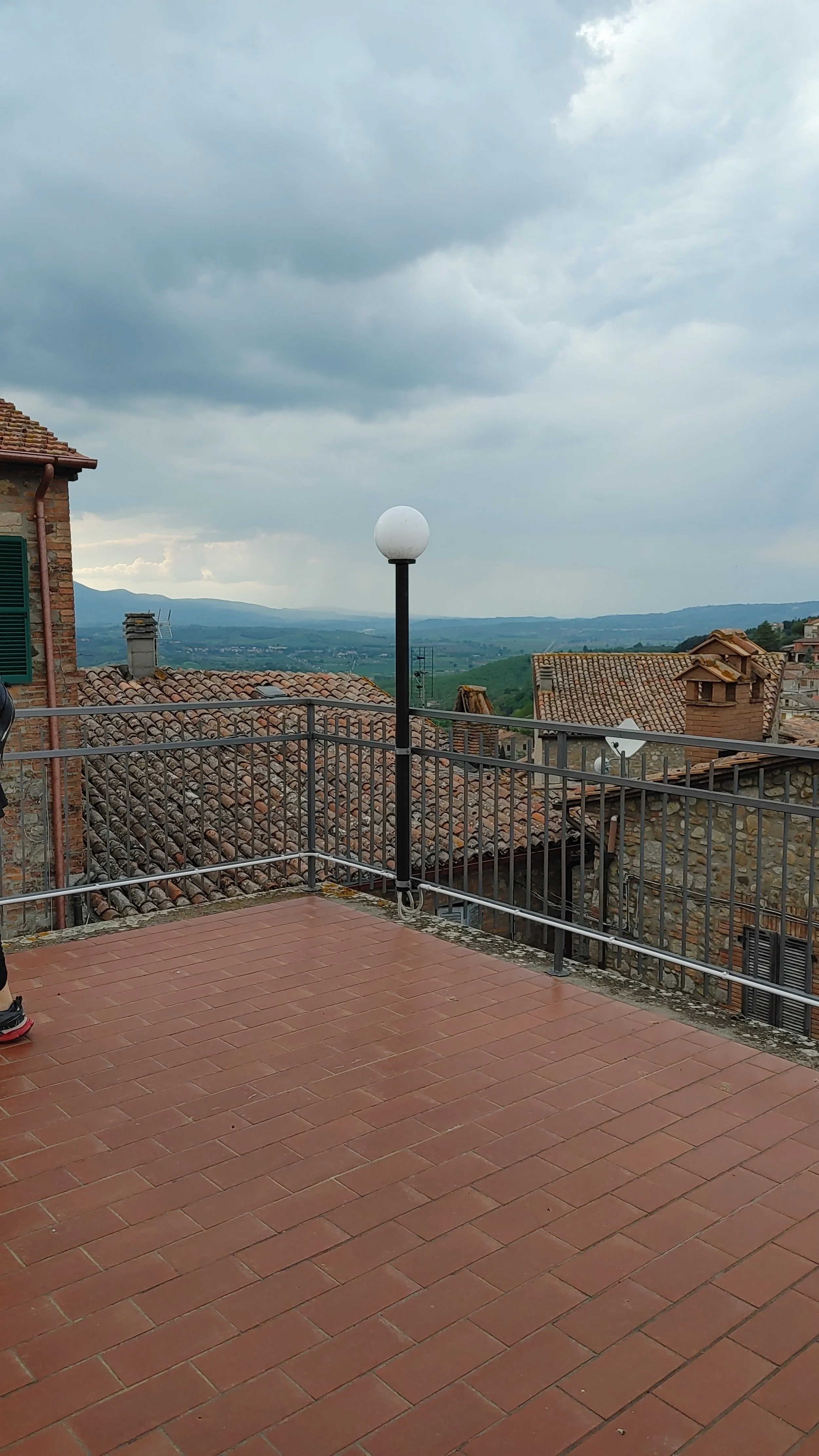
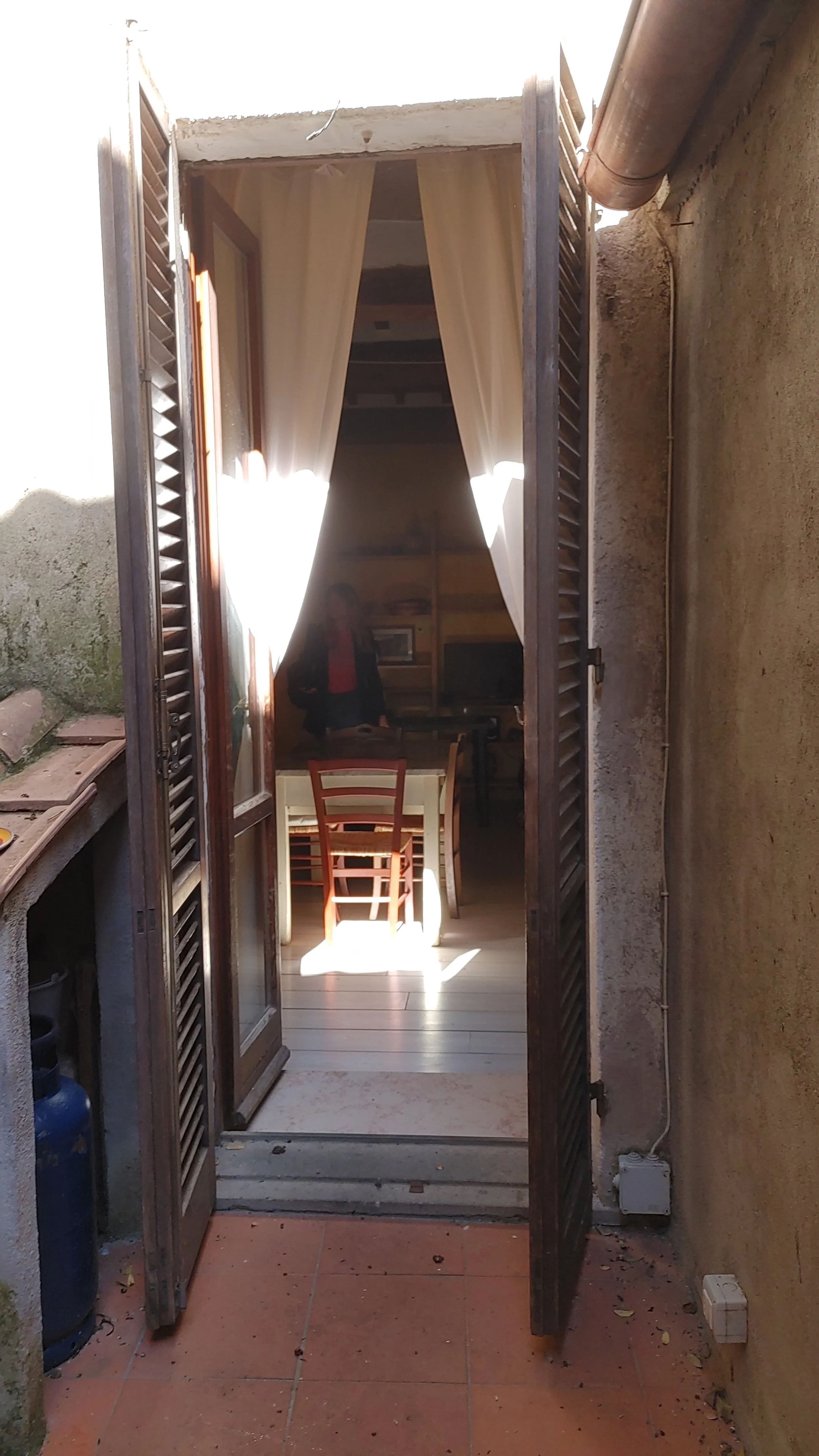
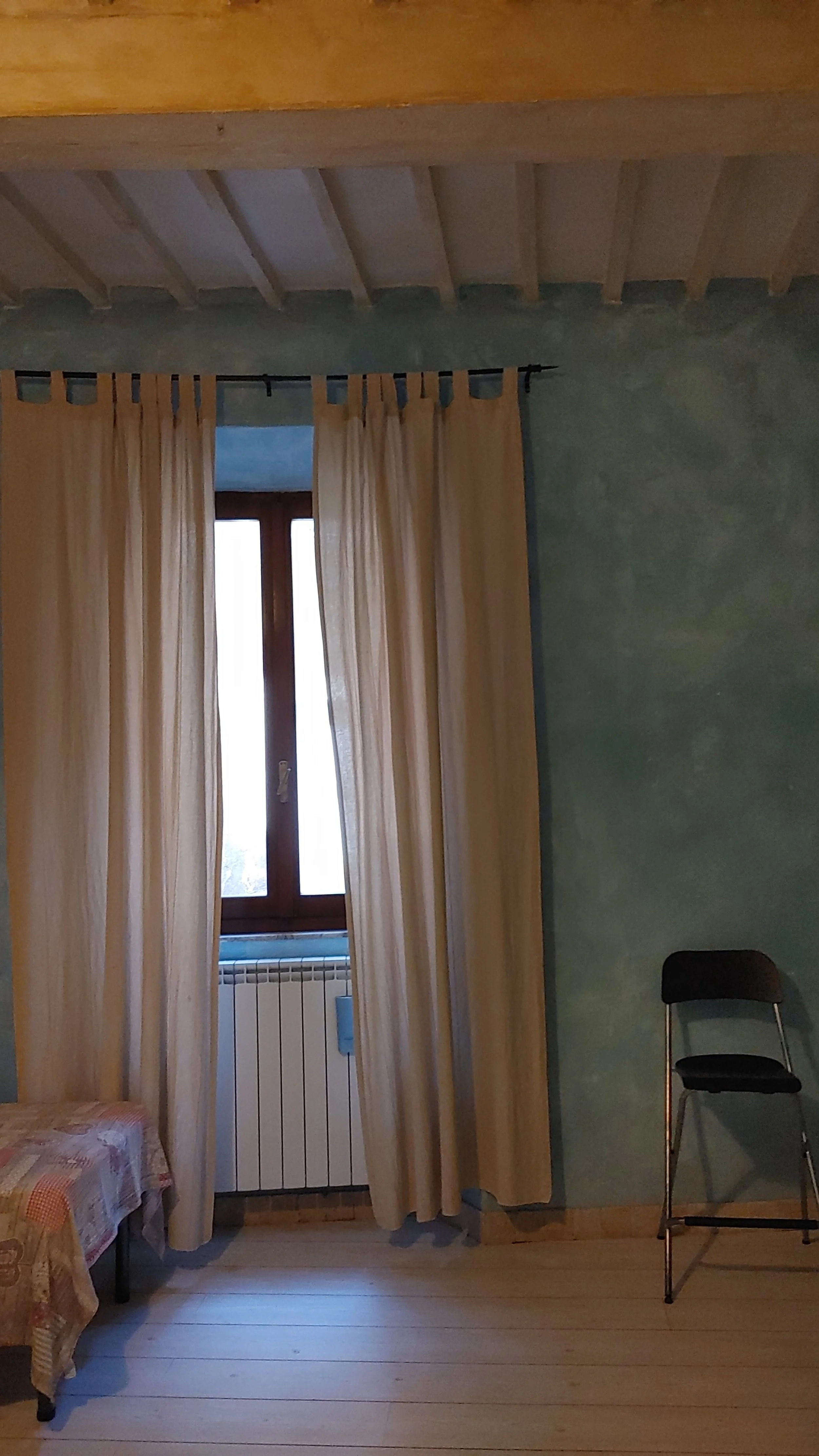
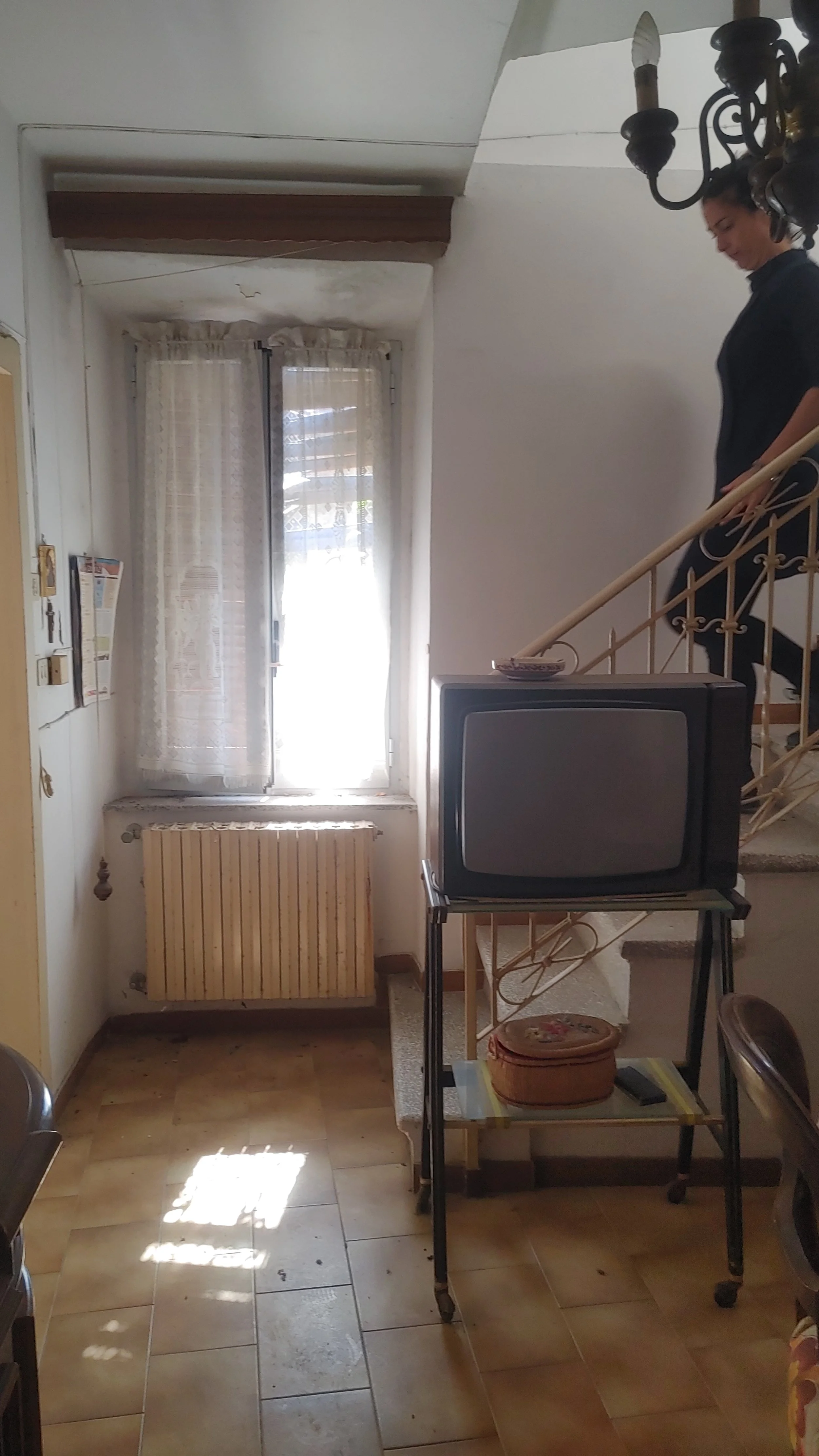
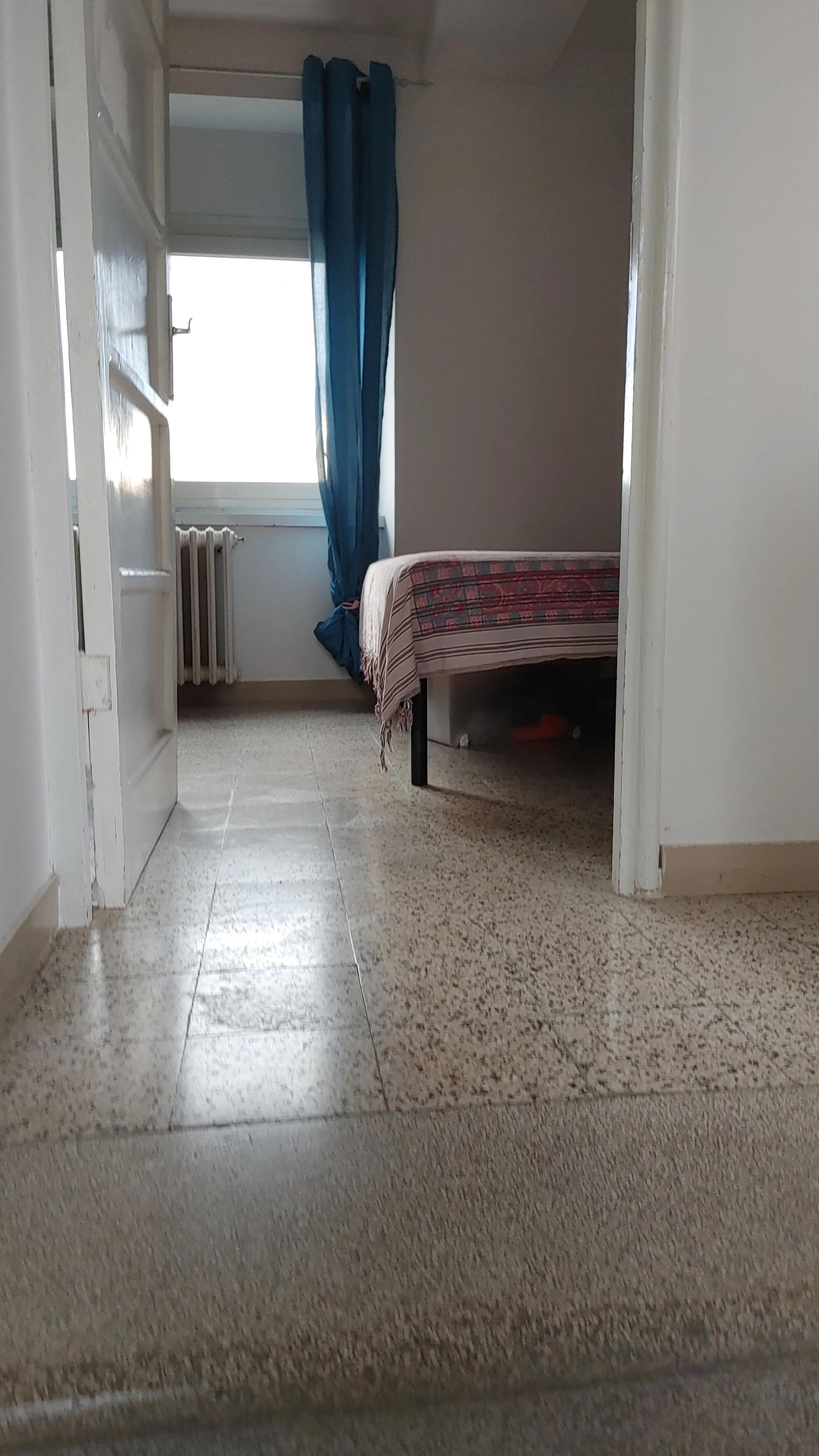
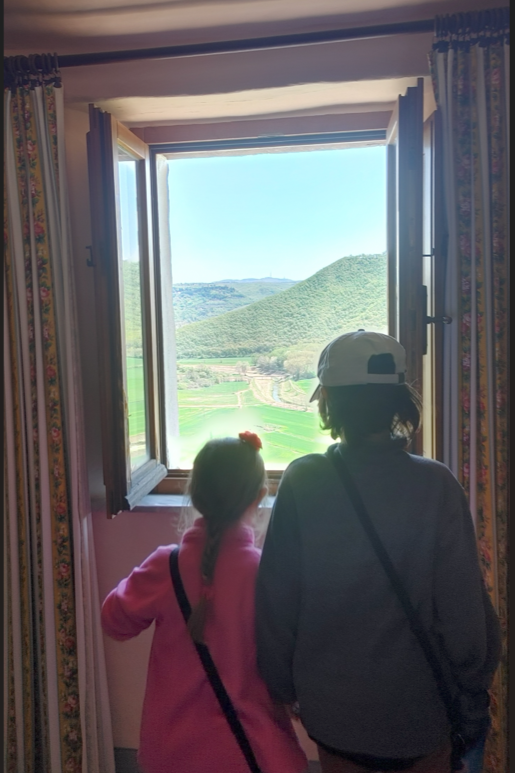
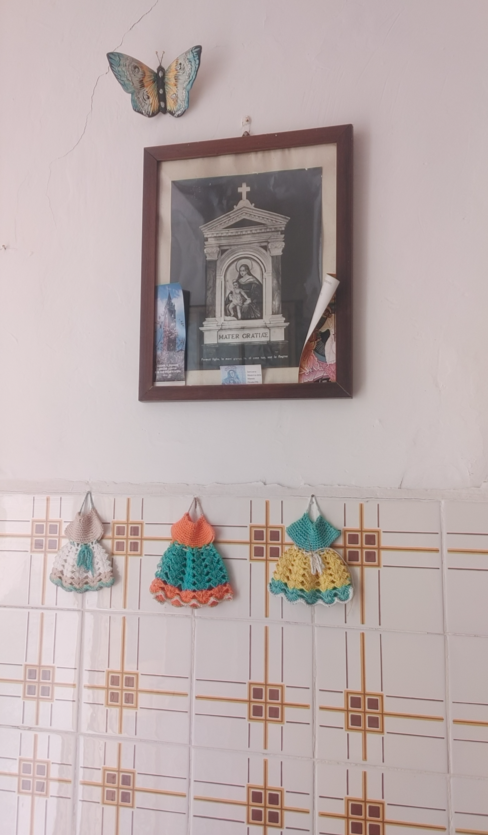
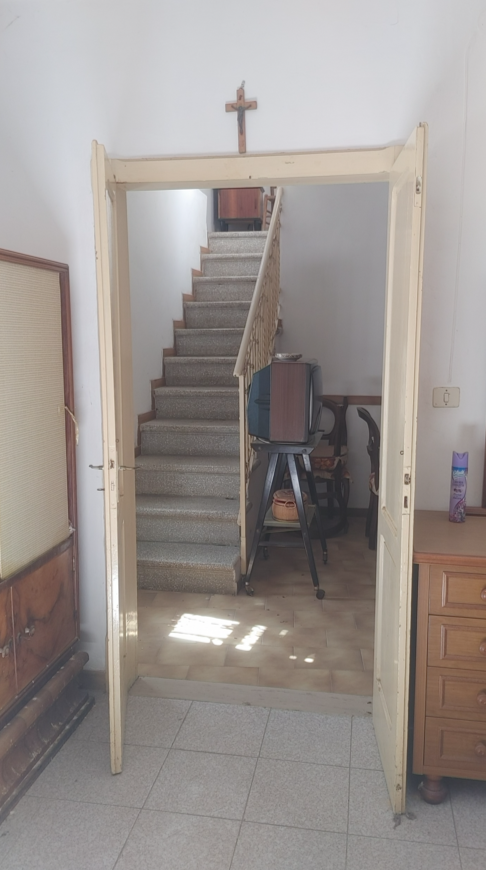
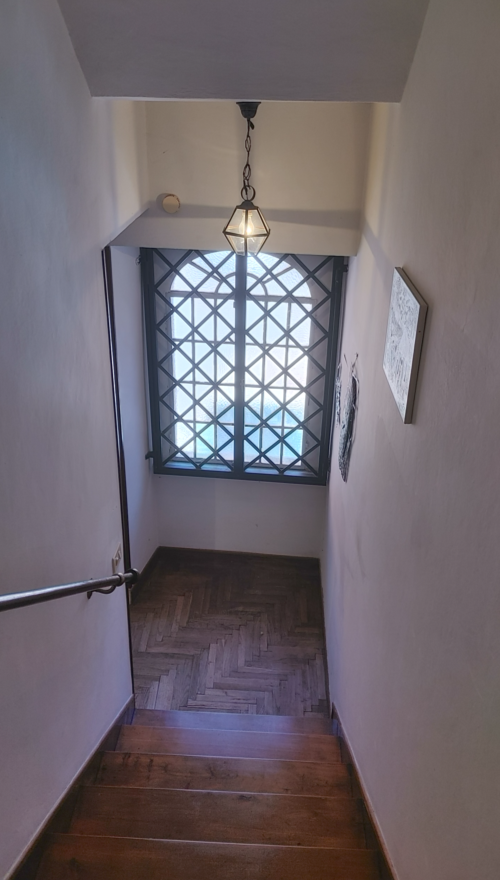
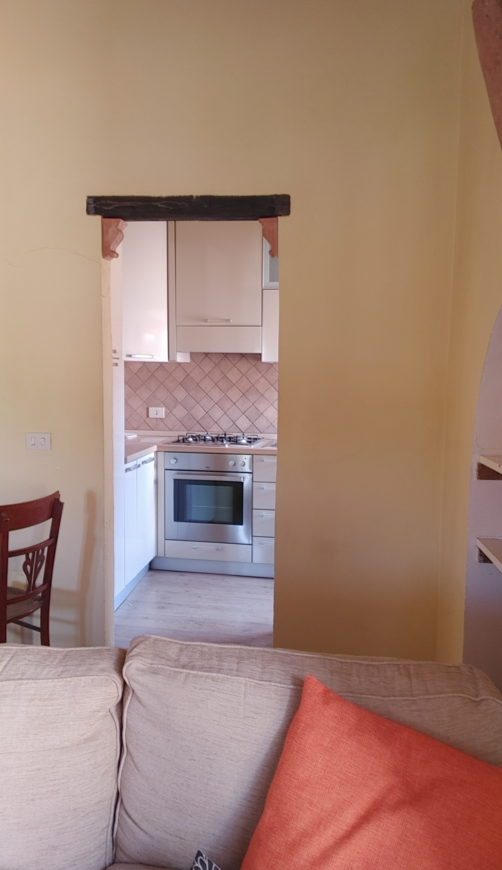
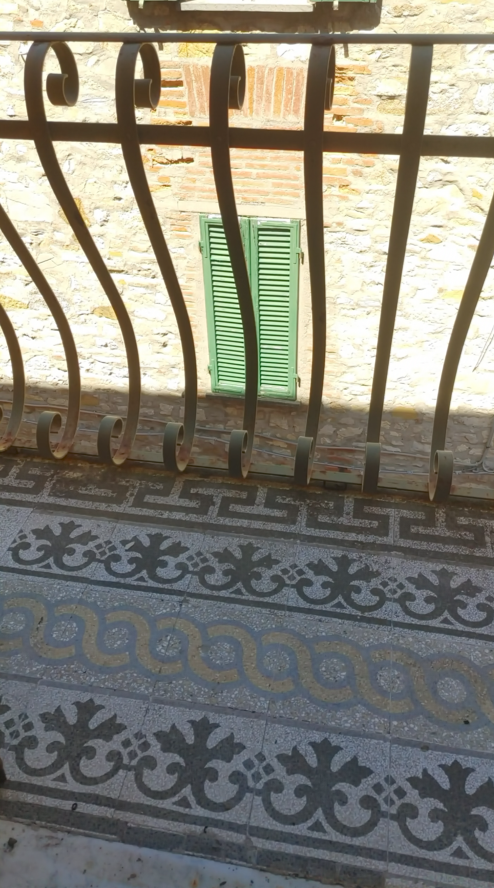
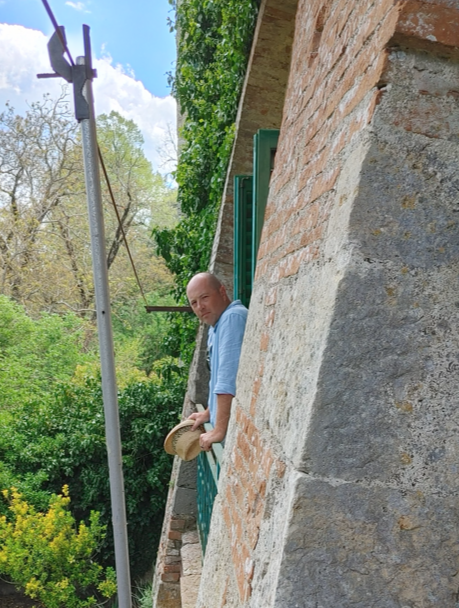
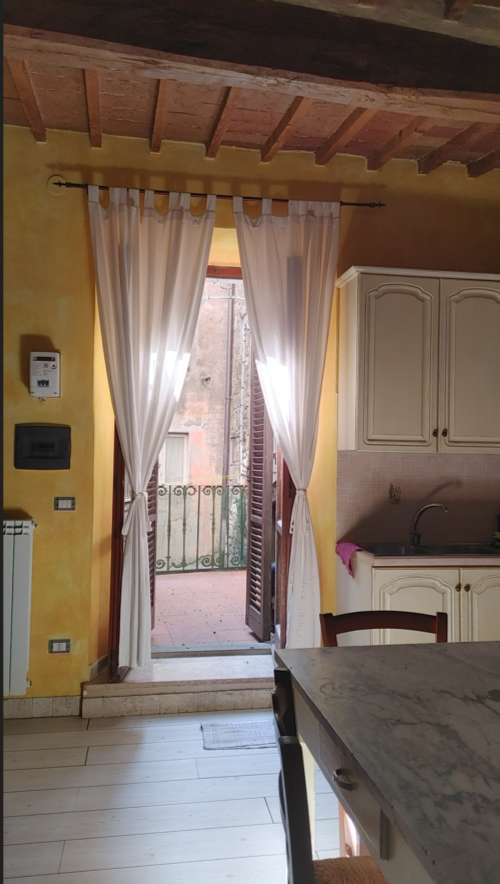
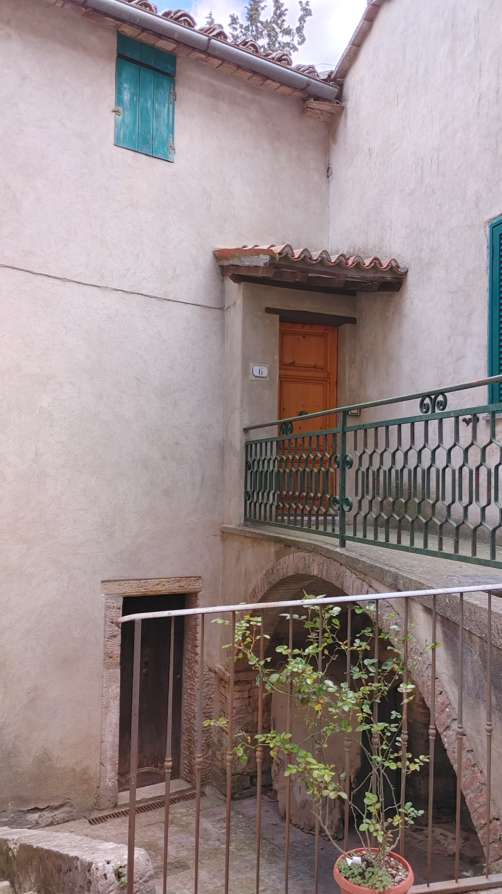
P.S. The YouTube video of our home walkthrough is at the bottom of the page if you want to watch. I’ve also included some pictures of some of the homes we looked at:)
1. Research Regions and Property Types
Italy’s regions are as varied as its pasta shapes, each offering a unique flavor of life.
Northern Italy (Nord Italia) which includes - Aosta Valley (Valle d'Aosta), Piedmont (Piemonte), Liguria, Lombardy (Lombardia), Trentino-Alto Adige / Südtirol, Veneto, Friuli Venezia Giulia, and Emilia-Romagna.
Modern infrastructure, proximity to the Alps, and strong economies make the north attractive, though prices are higher overall. The lakes (Como, Garda, Maggiore) provide serene settings, while cities like Milan and Turin buzz with culture, commerce, and style. Winters are colder, but ski resorts are world-class.
Central Italy (Italia Centrale) which includes - Tuscany (Toscana), Umbria, Marche, and Lazio.
Rolling hills, vineyards, and medieval towns dominate the landscape. Florence and Rome balance urban sophistication with deep history, while countryside retreats in Tuscany and Umbria remain favorites for those seeking la dolce vita. The climate is milder, and travel connections are good thanks to centrality.
Southern Italy & Islands (Sud e Isole) which includes - Abruzzo, Molise, Campania, Apulia (Puglia), Basilicata, Calabria, Sicily (Sicilia), and Sardinia (Sardegna)
Warmer climate, slower pace, and lower property prices define the south (obviously not everywhere in the south. There are plenty of expensive towns). Expect rustic charm, vibrant local traditions, and some of Italy’s best coastlines. Puglia’s whitewashed towns, Sicily’s mix of cultures, Sardinia’s turquoise waters, and Campania’s Amalfi Coast all offer distinct lifestyles. Summers are hot, but outdoor living thrives here.
Key Considerations when choosing a region:
Climate: The north has crisp winters, while the south usually enjoys year-round warmth.
Accessibility: Northern and central Italy have better rail and flight connections while southern Italy will most likely require more driving.
Local amenities: Cities offer convenience and culture and more services - small towns offer authenticity and uniqueness but the basic services could be harder to find. This is probably most true of remote towns far from larger cities.
Property type: Choose between fancy city apartments, rustic farmhouses, or sun-drenched coastal villas, depending on lifestyle and budget. Really there are going to be so so many different types of homes to choose from!
2. Set a Budget and Understand Costs
Besides the purchase price, factor in -
Notary fees: 2–4% of the purchase price.
Agency fees: Often 3–5% plus VAT*, split between buyer and seller.
Registration and taxes: Varies depending on whether it’s your primary residence and if you’re an Italian resident.
Renovation costs: Especially for older properties. If you have tight budget this is so important because costs can add up quickly! For us, the cost of the first renovations that we want to do is going to be over half of the purchase price of our home…and don’t forget all the furniture and decorations. If your new home is empty than it could cost quite a bit to fill it.
* VAT is a consumption tax on goods and services. The standard percent is 22.
Tip: If you’re buying from abroad, check currency exchange rates — a small change can mean thousands saved or lost. When we were buying we were watching the exchange rates very closely!! Pretty much every single percent meant $1000 one way or the other for us. It adds up quickly!
3. Hire Local Professionals
You’ll want a few great people by your side -
A licensed real estate agent who speaks your language and knows the local market.
A notary (notaio) — in Italy, they’re neutral parties who ensure the legality of the transaction.
A lawyer (optional but recommended for foreign buyers) to review contracts.
Hire a service - like we did. For a fee they helped us find homes that checked off the boxes on our list and hit our budget. They set up all of the showings and went along with us. They helped us through the entire process from setting up appointments for a virtual notary signing, to being power of attorney for us, to helping us set up our utilities, to helping us pay our taxes.
4. View Properties (In-Person or Virtually)
While online browsing is useful (and I definitely recommend it before hand), an in-person* visit reveals much much more -
Noise levels, natural light, atmosphere of the home and neighborhood.
Actual condition of house including really important things like the electrical, plumbing, heating, and roof.
Views from the home and layout - the pictures might not be showing you that window that looks out on the an ugly parking lot…lol
Proximity to amenities like groceries, shops, transportation, and hospitals. This can be very important especially if you don’t have a car.
*With Italian homes I think it is very important to see them in person or have a trusted person look at them in person while you do a virtual tour. Some of these homes can have the strangest layouts that sometimes cannot be changed or would be way too costly. When we were looking for homes we saw crazy things! One house you had to walk out onto the balcony to go to the bathroom, another house the kitchen looked like it was actually made for kids, another you had to walk through the bedrooms to get to another floor, and another the house felt like a damp cave...lol. Pictures are definitely not enough!
5. Make a Formal Offer (Proposta di Acquisto)
If you’ve found “the one,” you submit a written offer with a small deposit. If accepted, this takes the property off the market. Make sure the offer is contingent on due diligence checks. Obviously this is where having trusted professional by your side is a must. They will help walk you through all of these steps.
6. Sign the PRELIMINARY REAL ESTATE PURCHASE CONTRACT (CONTRATTO PRELIMINARE DI COMPRAVENDITA IMMOBILIARE)
This legally binding contract outlines -
Purchase price and payment schedule.
Property details and boundaries.
Any conditions (e.g., repairs to be completed). - ours included a wall being put up and all the furniture being moved out of the house. Another really important thing is to make sure the things you want in the house are in writing as staying. When we arrived we were surprised with the fact that most of the lighting fixtures in the house had be cut and taken away :(
You’ll pay a deposit (usually 10–30% of the price). We paid less then this because we agreed on a smaller amount before signing. If you back out without cause, you lose it; if the seller backs out, they owe it back and in some cases they owe you double.
7. Final Checks and Due Diligence
Before closing -
Verify there are no debts, mortgages, or ownership disputes.
Confirm zoning and planning compliance.
Ensure utilities and property taxes are up to date.
Again, this is where a trusted professional can help you. This is not something you need to figure out on your own. There are people that know the language and know exactly what to do. You just need to hire them :)
8. Sign the Deed (Atto) Deed of Sale (Atto di compravendita)
The signing happens at the notary’s office, with the buyer, seller, and interpreter (if you don’t speak Italian). Once signed and registered, the property is officially yours.
Another option is to sign over power of attorney to a trusted party and have them be present at the notary’s office for you. We did this because we were not able to be in Italy at the time of the signing. We signed over power of attorney to the company we had helping us with the process of finding and buying our home.
9. Register and Pay Taxes
Your notary will register the deed and handle the payment of any applicable taxes. You’ll then be listed as the legal owner in the local land registry…yay!!
10. Enjoy Your New Italian Home
Now it’s time to settle in, meet your neighbors, and start your own chapter in Italy - whether that means olive harvests, morning markets, or simply soaking up the views…hopefully with an espresso or glass of wine in hand :)
Final Tip -
Buying in Italy isn’t just a financial decision - it’s a lifestyle choice. Take your time, work with trusted professionals, and remember…patience is part of the process, but the reward is worth it.
How to Buy a House in Italy: People and names to know
Key People in the Buying Process
Agente immobiliare (Real Estate Agent)
Your go-to person for finding properties and negotiating initial offers. Look for one registered with the official chamber of commerce for added peace of mind.Notaio (Notary)
The notary is crucial. Unlike in some countries, they don’t just witness signatures…they’re responsible for checking the legality of the transaction, ensuring there are no debts or liens, and registering the deed. You cannot complete a property purchase in Italy without a notaio.Geometra (Surveyor/Architect Technician)
A geometra inspects the property, checks boundaries, verifies building permits, and ensures everything is up to code. They’re especially important if you plan renovations.Avvocato (Lawyer)
Not always required, but many foreign buyers hire a lawyer to review contracts, translate, and safeguard their interests.Venditrice (Seller) & Acquirente (Buyer)
Straightforward, but good to know: you’re the acquirente.
Essential Documents & Agreements
Proposta d’acquisto (Purchase Offer)
A formal proposal with a deposit that shows your intent to buy.Contratto preliminare (Preliminary Contract)
A binding agreement before the final deed, usually involving a larger deposit.Atto di Compravendita (Final Deed of Sale)
The official contract signed before the notaio, transferring ownership to you.
important words to know when looking at italian home listings -
places -
Centro storico – the historic center of town, often charming but with stricter renovation rules.
Cittadina - small town.
Borgo – a small village, sometimes medieval.
Frazione – a hamlet or subdivision of a town.
Contrada – a rural district or locality, often used in southern Italy.
parts of the italian home -
Ingresso → Entrance / foyer
Soggiorno / Salotto → Living room / lounge
Cucina → Kitchen
Cucina abitabile → Eat-in kitchen (with space for dining table)
Tinello → Small dining area, sometimes adjacent to the kitchen
Sala da pranzo → Formal dining room
Camera da letto / Stanza → Bedroom
Camera matrimoniale → Master bedroom (usually for a couple)
Cameretta / Cameretta singola → Small bedroom or single bedroom
Bagno → Bathroom
Bagno padronale → Master bathroom (usually attached to main bedroom)
WC / Toilette → Half-bath or guest bathroom
Ripostiglio → Storage room / closet
Dispensa → Pantry
Lavanderia → Laundry room
Balcone → Balcony
Terrazza / Terrazzo → Terrace / large outdoor area
Giardino → Garden / yard
Cortile → Courtyard
Garage / Box auto → Garage / carport
Cantina → Cellar / basement storage
Soffitta / Mansarda → Attic / loft
Portico / Loggia → Covered outdoor space / veranda
Final Tip -
Learn a few of these key words when house hunting - they’ll help you better understand what you’re looking at and better follow conversations.
Remember that processes can vary slightly between regions.
Don’t rush! Buying in Italy is as much about enjoying the journey as it is about finding the perfect place.
With these essential names in your toolkit, you’ll feel more confident navigating the Italian property market...and you’ll be one step closer to sipping espresso on your own terrazza under the Italian sun :)
Happy Dream Italian House Hunting!!